



Understanding the Risks Cockroaches Pose in UK Food Businesses
Cockroaches are among the most resilient and problematic pests affecting food establishments across the UK. Their ability to hide in tiny cracks, survive in harsh environments and multiply at a rapid pace makes them a serious concern for any hospitality business. In a restaurant setting, these insects pose significant health risks, damage reputations and can lead to severe legal consequences. This is why many business owners rely on a pest control restaurant service to detect, manage and eliminate infestations before they threaten operations.
How Cockroaches Spread Harmful Bacteria
Cockroaches thrive in warm, moist environments such as kitchens, storage rooms and behind appliances. Their movement from dirty areas like drains, waste bins and sewers to food-preparation surfaces allows them to spread dangerous bacteria. This includes pathogens like E. coli, salmonella and staphylococcus, all of which can cause food poisoning and serious illnesses in customers. Environmental health officers know that the presence of even a single cockroach can indicate a wider unseen infestation, making it a critical factor during food hygiene inspections.
Why Cockroach Infestations Grow Rapidly
One of the biggest challenges with cockroaches is their reproductive speed. A single female can produce dozens of offspring at a time, and these young can quickly mature and reproduce again. Their ability to hide inside electricals, wall cavities, drainage systems and dark corners makes early detection difficult. By the time they are seen during regular restaurant hours, there is often already an established colony. This is why UK restaurants benefit from routine inspections and professional support from a pest control restaurant specialist who understands the early warning signs.
Signs of Cockroach Activity in Restaurants
Cockroaches are nocturnal creatures, so sighting them during the day usually suggests a large infestation. Other signs include an unusual musty odour, smear marks around damp areas and shed skins near cracks or equipment. Small dark droppings resembling ground pepper may also be found near food storage or hidden spaces. Identifying these early indicators plays a critical role in preventing the situation from escalating. Staff awareness and consistent monitoring are essential parts of detecting issues before customers or inspectors become aware of them.
The Impact on UK Food Safety Ratings
Cockroaches pose a direct threat to food safety rating scores. Environmental health inspectors evaluate cleanliness, pest prevention measures and evidence of infestation during routine assessments. The presence of cockroaches almost always results in a lower rating, immediate action notices or even temporary closure orders in severe cases. A low rating not only affects customer trust but can also lead to financial loss and damage to the restaurant’s reputation. Prevention and rapid intervention are key to protecting both hygiene standards and business performance.
Why DIY Cockroach Control Often Fails
Many restaurant owners attempt to manage cockroach problems using over-the-counter sprays or traps. While these may reduce visible numbers, they rarely address the hidden nesting sites where most cockroaches live and breed. Without targeting the root cause, infestations quickly return. Cockroaches also develop resistance to certain chemicals, making improper treatment ineffective. Only trained professionals have access to stronger commercial-grade solutions and the expertise to identify the specific species and behaviour patterns. This is why partnering with a pest control restaurant service is essential for long-lasting results.
Effective Professional Methods for Eliminating Cockroaches
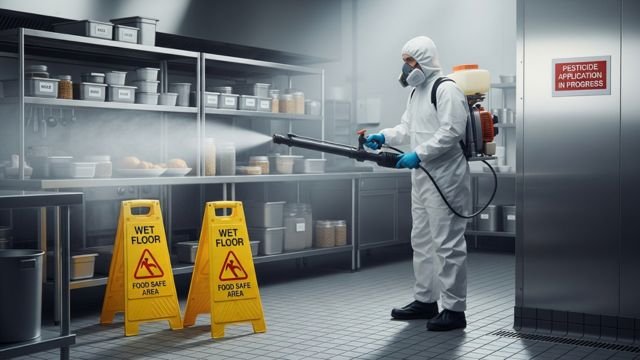
Professional pest control teams use a combination of inspection, monitoring and targeted treatments to eliminate cockroaches. Gel baits, residual insecticides, heat treatments and biological control methods are often used depending on the environment. Technicians also focus on identifying entry points, sealing cracks and advising on hygiene improvements. By reinforcing these preventive measures, restaurants can significantly reduce the chances of re-infestation. Regular service visits ensure long-term protection and continuous monitoring of vulnerable areas.
Improving Hygiene and Maintenance to Prevent Infestations
Even after professional treatment, maintaining a clean and hygienic environment is essential to prevent cockroaches from returning. Food debris should be removed promptly, waste areas must remain clean and dry, and storage rooms should be organised to limit hiding spots. Routine deep cleaning behind appliances, fridges and equipment ensures that cockroaches cannot find suitable shelter. Good ventilation also helps reduce moisture levels, making the environment less attractive to pests.
Building a Long-Term Pest Prevention Strategy
Preventing cockroach infestations requires a continuous and proactive approach. Staff training, monitoring routines and regular professional inspections contribute to maintaining a safe, hygienic and compliant restaurant environment. By understanding the signs of cockroaches and taking swift action, UK restaurants can protect their customers, reputation and food hygiene ratings. With the support of an experienced pest control restaurant provider, it becomes far easier to eliminate risks and ensure long-term operational success.